Viés de Recência: Por que a última coisa em sua landing page é o que visitantes lembram
Visitantes esquecem o meio da sua página. Eles lembram do começo e do final. Aqui está como desenhar o último momento para isto realmente gerar o clique.
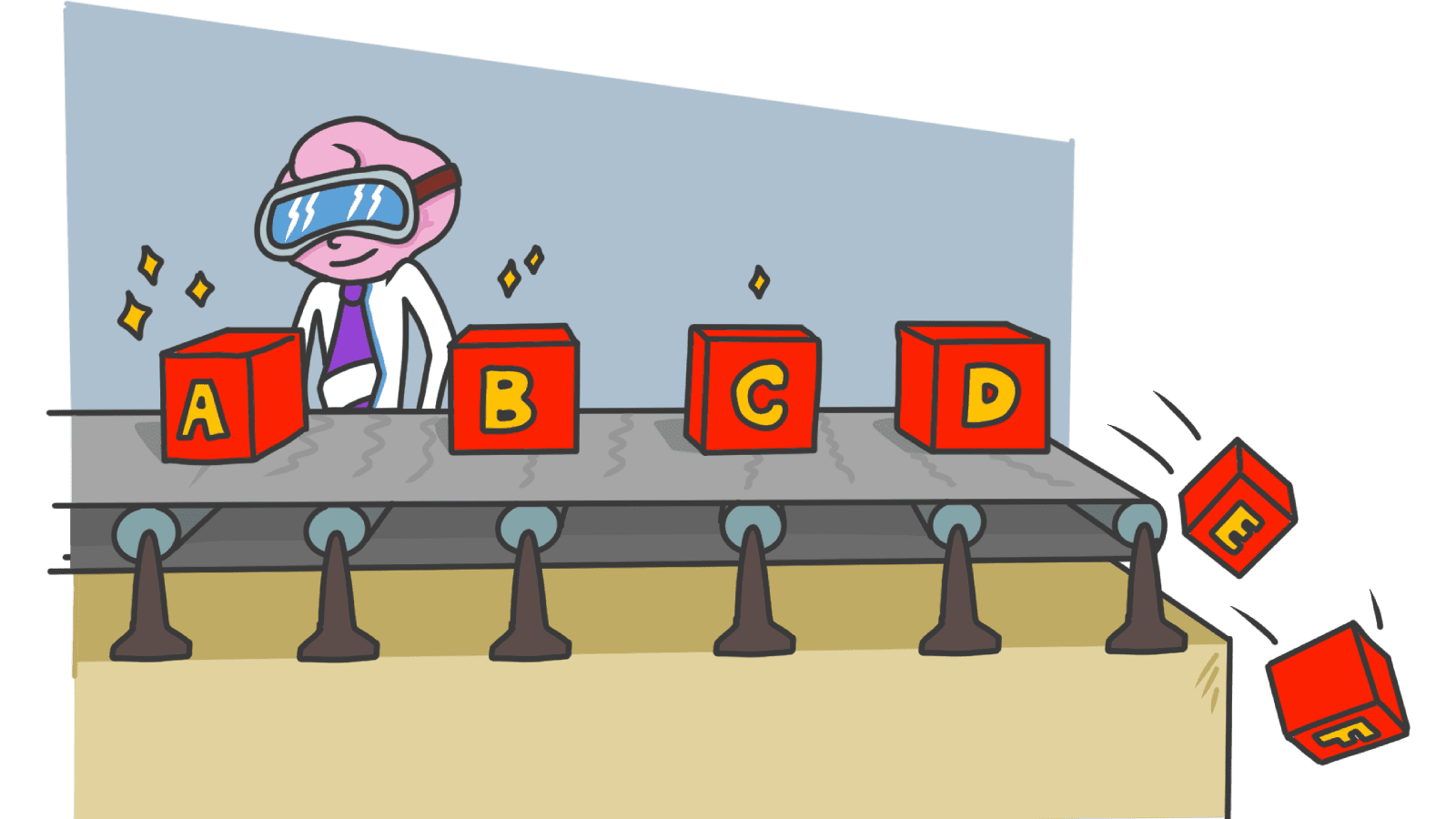
Viés de Recência: Por que a última coisa em sua landing page é o que visitantes lembram
Pense na última landing page que você realmente scrollou até o final. O que você lembra? Provavelmente o headline no topo. E a última coisa que você viu antes de sair.
É viés de recência. O cérebro se agarra na coisa mais recente que viu e silenciosamente esquece o meio. Para builders, isto significa sua seção final, seu último CTA, e sua linha de fechamento carregam muito mais peso que os testimoniais enterrados no meio.
A maioria das landing pages ainda trata o fundo como uma reflexão. Um footer cansado, um duplicate do mesmo CTA, nenhum argumento real de fechamento. Isto é uma alavanca de conversão livre sentada no chão.
O que viés de recência é
Quando as pessoas scaneiam uma sequência de informação, os últimos itens ficam frescos na memória de curto-prazo mais longo. O meio fica sobrescrito. O fim fica alto.
"O que ouvimos último frequentemente soa mais alto em nossa memória." , Princípio de psicologia de memória
Isto é parte do efeito mais amplo de Posição Serial: o começo (Primacy) gruda longo-prazo, o fim (Recency) ganha recall de curto-prazo. Em uma landing page, aonde o visitante decide em segundos, recency faz a maioria do trabalho.
A última coisa que veem , o final CTA, o FAQ, o "Obrigado pela leitura" , é com o que eles estão quando decidem se clicam ou fecham.
Por que isto importa para sua taxa de conversão
1. Decisões rápidas
Visitantes não pesam cada reclamação em sua página. Fazem uma chamada rápida baseada na última impressão forte. Se sua última seção é fraca, a página inteira cai suave.
2. Memória de brand
Mesmo se eles não convertem hoje, o que eles lembram amanhã é moldado pela última coisa que viram. Um footer entediante treina a lembrá-lo como entediante.
3. O problema do cliffhanger
Se sua página só para , nenhum próximo passo claro, nenhum pitch de fechamento , visitantes saem sem momentum. Com uma seção final bem desenhada, o mesmo tráfego converte notavelmente melhor.
Analise seus triggers de conversão
Nossa IA verifica aonde os momentos mais fortes em sua página realmente caem , e aonde você está desperdiçando eles.
Escaneie Seu Site GrátisComo usar recência em sua landing page
O trabalho não é adicionar filler no fundo. É colocar seu pitch mais afiado aonde o cérebro lembra melhor.
1. Salve seu CTA mais forte para o final
O primeiro CTA deveria conseguir os visitantes já decididos. O final CTA deveria fechar os ainda em cima do muro. Aquele botão final, com uma linha clara de valor acima, é o botão com maior alavanca em toda a página.
2. Termine toda seção longa com um resumo
Após uma parede de features ou uma comparação longa de pricing, termine com um takeaway de uma linha. Aquele resumo é o que fica.
- Faça: "Order summary" antes do botão pay. "Key takeaways" depois do artigo.
- Evite: Terminar uma tabel de pricing longa com nenhuma recomendação. O visitante lembra confusão.
3. Repita a mensagem central no fundo
Se há uma linha que você quer visitantes saírem, diga duas vezes. No topo e de novo no fim. A repetição a cimenta.
- Linha hero: "Sua landing page está pronta para converter?"
- Linha de fechamento: "Seu próximo launch merece uma segunda opinião."
Mesma ideia, dois hooks de memória.
4. Ordene seus menus e listas com recência em mente
Em menus de nav, footer links, e listas de features, o último item ganha atenção desproporcional.
- Faça: Coloque seus links de maior intenção , pricing, signup, "começar free" , último na nav, aonde visitantes scaneiam.
- Evite: Colocar seu diferenciador no meio de uma lista de 10 itens. Desaparece.
5. Desenhe a última tela de cada fluxo
A tela pós-signup, "obrigado por se inscrever" página, tela de sucesso modal. Estas estabelecem a memória duradoura do visitante do seu produto. Uma tela padrão desinteressante desperdiça o momento de maior recall no funil.
Para mais sobre como o fim de uma jornada molda memória, veja Peak-End Rule.
Jeitos comuns que builders quebram
1. Enterrando o stuff importante no meio
- O erro: Escondendo pricing ou "o que está incluso" entre blocos de feature porque parece menos excitante.
- O conserto: Use o topo para grande benefício e o fundo para ações. O meio é aonde a memória vai morrer.
2. O final cliffhanger
- O erro: A página só para. Nenhum segundo CTA, nenhum pitch de fechamento, nenhuma linha final.
- O conserto: Sempre feche com um próximo passo claro. Mesmo uma linha , "ainda curioso? Rode um scan grátis." Bate nada.
3. Esconder negativos no fim
- O erro: Surgir fees ou limitações no passo mais final "para que eles não matem o clique."
- O conserto: Visitantes lembram a surpresa mais que a oferta. Coloque trade-offs upfront; feche com o stuff bom.
Como produtos reais lidam
Spotify
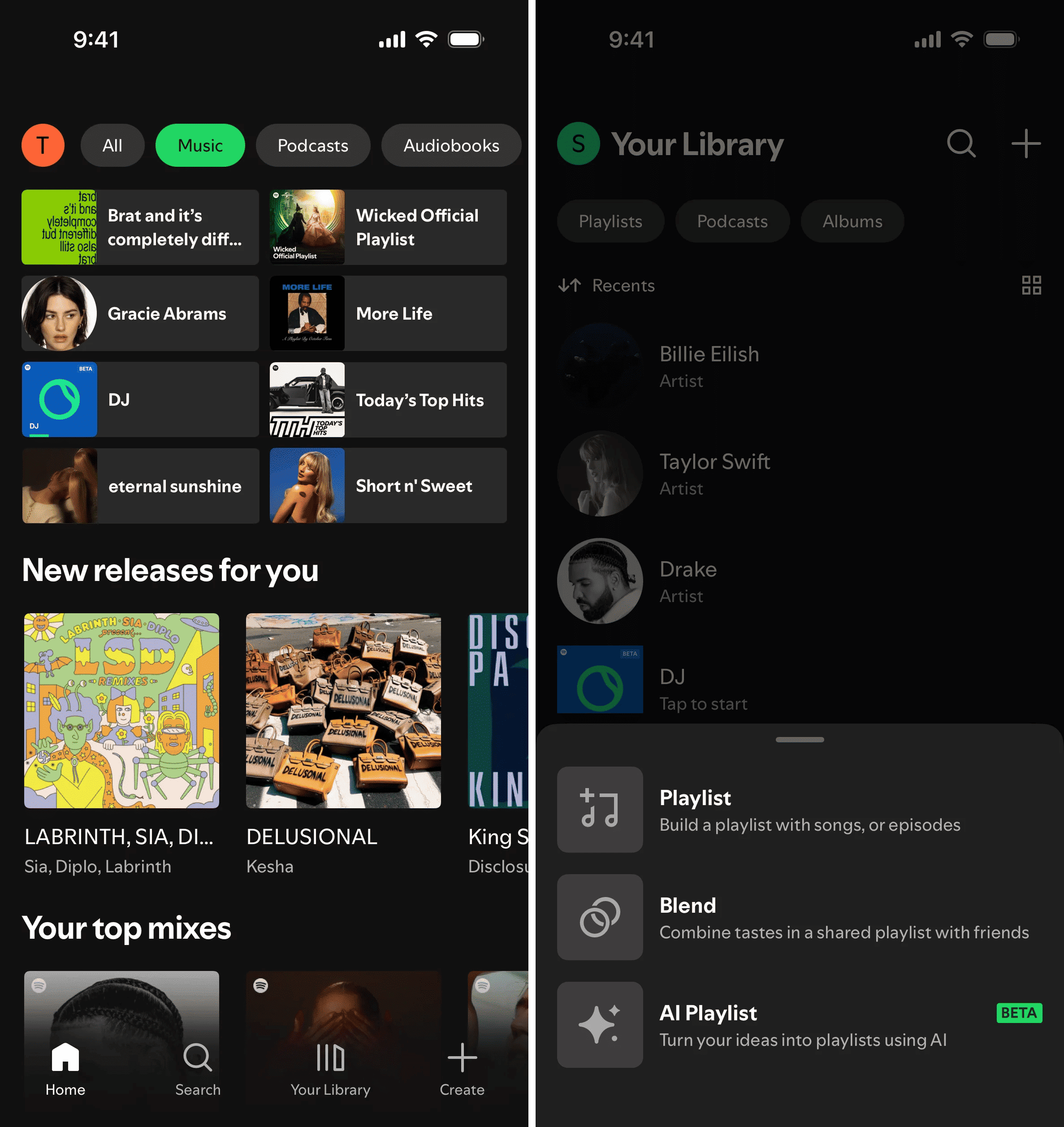
Spotify coloca "Recently Played" front e center. Em vez de forçar visitantes a lembrar o que gostaram, mostra o que acabaram de ouvir. O cérebro instantaneamente reconhece. É recência virada em um feature: carga cognitiva baixa, engajamento alto, loop de hábito pegajoso.
Veja como seu site se compara
Receba uma verificação de terceira parte se sua última seção está fechando o deal ou desperdiçando o clique.
Receba Seu Score UX GrátisPrincípios relacionados
Recência raramente trabalha sozinha. Estes pareiam com:
Peak-End Rule
Como o momento mais forte e o momento final juntos decidem o que visitantes lembram.
Recursos e leitura adicional
Por que lembramos itens no fim de uma lista melhor?
Um artigo aprofundado da Decision Lab explicando aonde este viés ocorre, suas raízes psicológicas e seus efeitos na tomada de decisão.
O Efeito de Recência em Design de UI
Guia da Foundation de Design de Interação sobre definir e aplicar o efeito de recência para criar interfaces mais intuitivas.
Perguntas frequentes
Não Adivinhe Sua UX. Escaneie.
Faça upload de suas telas ou cole sua URL para receber análise UX de nível especialista em menos de 3 minutos.
Comece o Scan GrátisArtigos relacionados
Efeito de Isolamento: Por que seu CTA se perde quando tudo na página tenta se destacar
Se toda seção é negrita, nenhuma é. O Efeito de Isolamento é como você faz uma coisa em sua página impossível de perder.
Efeito Zeigarnik: Por que signups inacabados trazem visitantes de volta para sua página
Visitantes que começam um fluxo mas não terminam ficam assombrados por ele. Veja como usar tarefas inacabadas na sua landing page para impulsionar mais conversões.
Viés de Ancoragem: Por que o primeiro número em sua landing page muda como visitantes julgam todos os outros números
Visitantes não avaliam seu preço em vácuo. Qualquer número que veem primeiro vira o parâmetro. Aqui está como definir âncoras que fazem sua oferta parecer uma pechincha.